The best Windows Media Player alternative depends on what you play. VLC covers most everyday formats for free. Nero DVD Player is better suited to DVD-Video and media stored on NAS or WebDAV servers. MediaMonkey is a stronger choice for large music libraries.
Windows 11 includes the newer Media Player app. Windows Media Player Legacy remains available as an optional feature in some editions. Microsoft recommends the newer app for modern video features such as 4K.
A separate player makes sense if you need broader format support, better subtitles, music management, network playback, DVD-Video, or Blu-ray. This guide compares general Windows Media Player replacements rather than DVD software alone.
Quick comparison
Player | Best for | Free option | DVD | Blu-ray | Music library | NAS/WebDAV |
VLC Media Player | Free general playback | Yes | Supported* | Limited | Basic | Network streams |
Nero DVD Player | DVD, NAS and WebDAV | Trial | Supported | No | Basic | Yes |
PotPlayer | Detailed playback controls | Yes | Supported | Limited | Basic | Limited |
MediaMonkey | Large music libraries | Yes | Not its focus | No | Strong | DLNA/UPnP |
PowerDVD | Blu-ray and home theater | Trial | Supported | Eligible editions | Good | Varies by edition |
GOM Player | Subtitles and 360° video | Yes | Windows version | No | Basic | Limited |
MPC-HC | Lightweight local playback | Yes | Basic | No | Basic | Limited |
*DVD playback can depend on the drive, disc protection, region settings, and local configuration. Check the developer’s documentation before buying software for a specific disc collection.
Do you need to replace Windows Media Player?
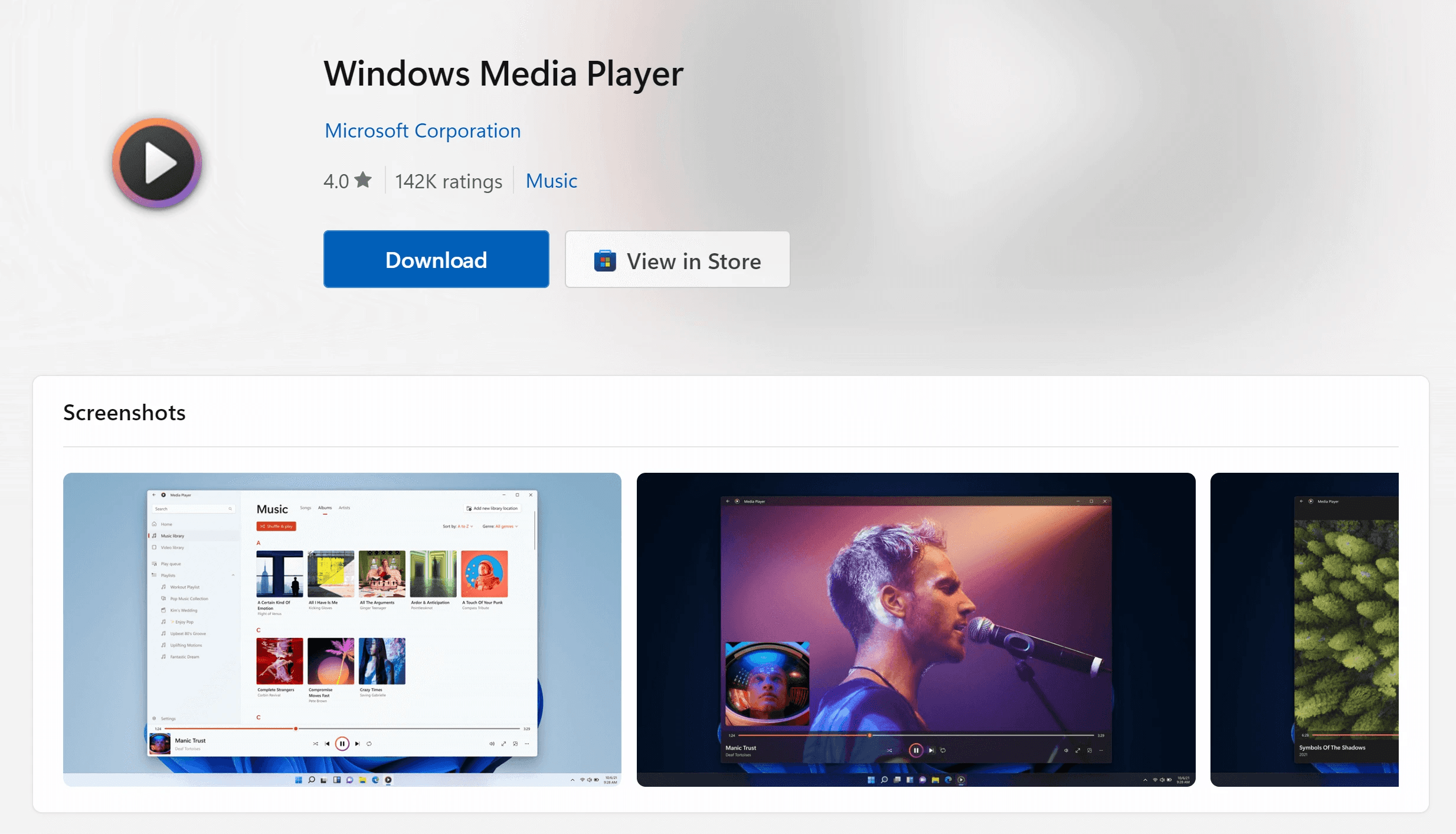
Not everyone needs another media player. The built-in Media Player handles common audio and video files and works neatly with Windows 11.
Windows Media Player Legacy is a separate application. Microsoft offers it as an optional feature in some editions of Windows 10 and Windows 11. DVD playback is not included.
A third-party player may be useful when you want to:
Open a wider range of audio and video formats
Adjust subtitle timing, style, or position
Play media stored on NAS or WebDAV servers
Organize a large local music collection
Change video renderers, filters, or audio output
Use a lightweight or open-source player
Play DVD-Video or supported Blu-ray discs
Microsoft explains the status of both applications on its Windows Media Player support page.
1. VLC Media Player: best free all-purpose option
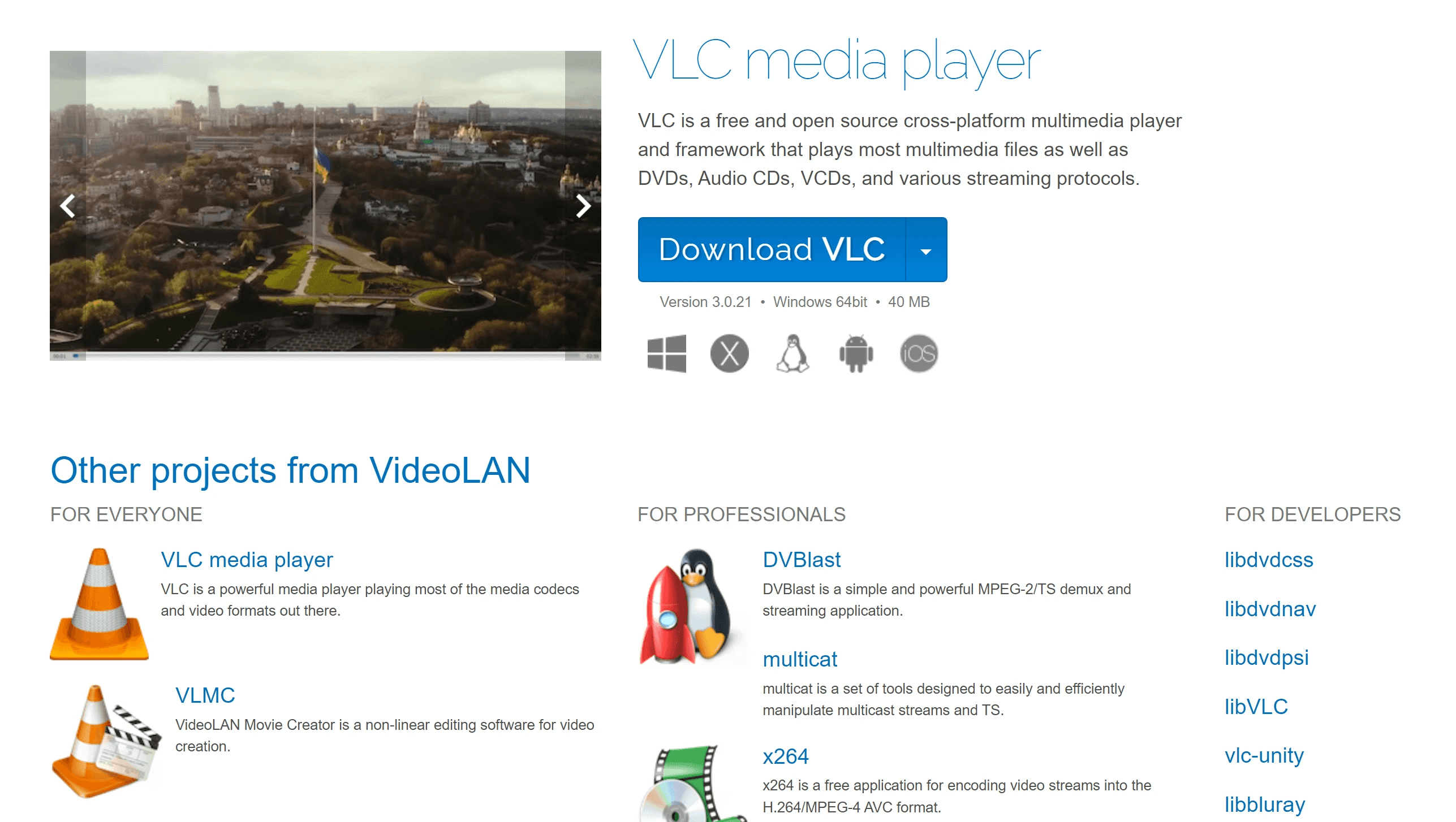
VLC is a practical first choice for general playback. It is free, open source, and available on Windows, macOS, Linux, Android, and iOS.
VideoLAN says VLC plays most multimedia files, DVDs, audio CDs, devices, and network streams. Hardware decoding is available on supported platforms.
What it does well
Opens most common audio and video formats
Plays DVDs and audio CDs
Handles subtitles and multiple audio tracks
Supports devices and network streams
Includes no advertising or paid edition
Runs on several desktop and mobile platforms
Where it falls short
The interface can feel dated. Its music-library tools are also basic compared with MediaMonkey.
DVD playback may depend on the drive and disc. Commercial Blu-ray playback is not a simple built-in feature.
Price and compatibility
VLC is free. It runs on Windows and several other operating systems.
Read the official VLC overview or review its documented features.
2. Nero DVD Player: best for DVDs, NAS and WebDAV
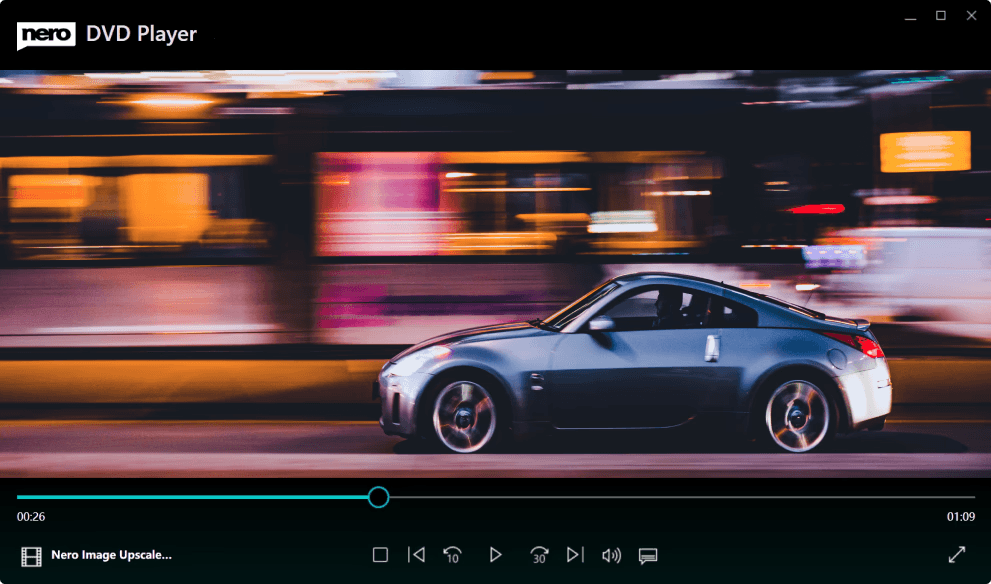
Nero DVD Player is a closer fit for Windows users who watch DVD-Video or keep media on a home server. It plays local video files and can open compatible media stored on NAS and WebDAV servers.
Nero lists support for more than 150 formats, including DVD, MP4, MKV, AVI, and MOV. DVD controls include menus, chapters, subtitles, audio-track selection, and multi-angle viewing.
What it does well
Plays DVD-Video discs and DVD structures
Supports menus, chapters, subtitles, and audio tracks
Opens common local video formats
Connects to compatible NAS and WebDAV sources
Includes A-B repeat and multi-angle viewing
Uses a straightforward Windows interface
Where it falls short
Nero DVD Player is available only for Windows. Some functions require a license after the trial period.
The application is not a commercial Blu-ray player. Its music-library tools are also more basic than MediaMonkey’s.
Price and compatibility
A download and trial are available. Check the current Microsoft Store listing for license terms and prices.
See the Nero DVD Player product page or follow the Nero DVD Player setup guide. Users who only play local files can also consider Nero Media Player.
3. PotPlayer: best for detailed controls
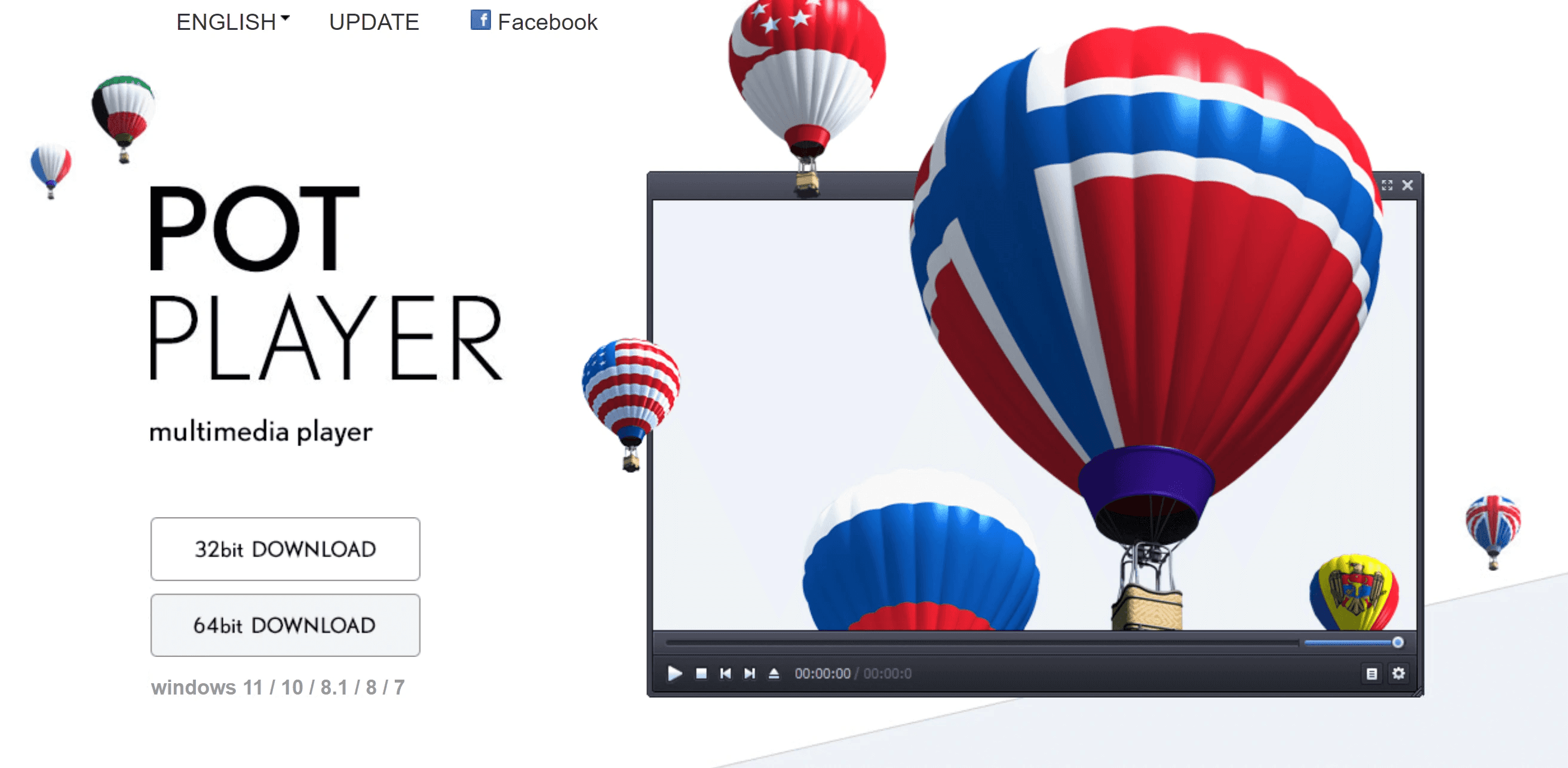
PotPlayer suits Windows users who want to adjust video output, audio, subtitles, and playback behavior.
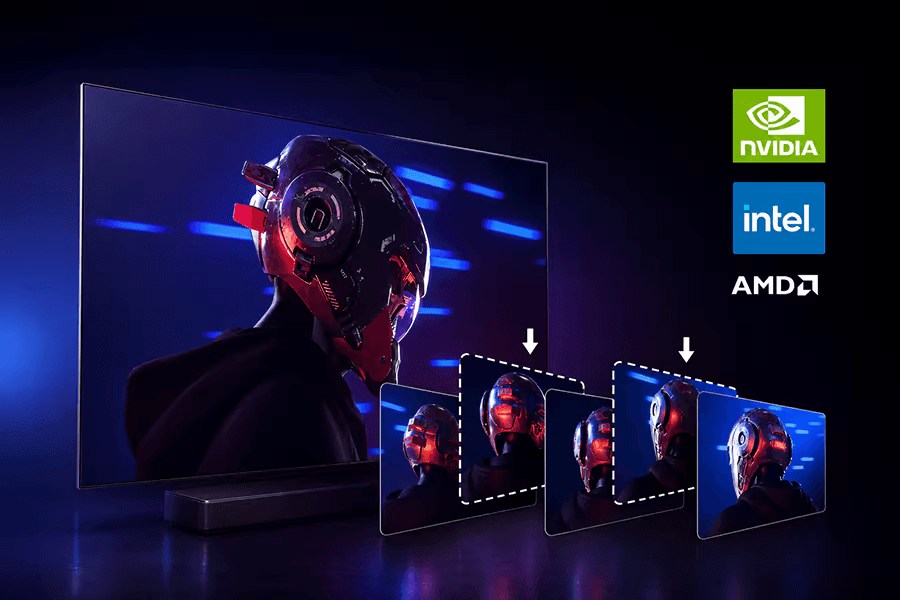
The official product page lists DXVA, CUDA, and QuickSync acceleration. PotPlayer also supports OpenCodec, scene bookmarks, snapshot previews, and several subtitle formats.
What it does well
Provides detailed video and audio settings
Supports SMI, SRT, VobSub, ASS, and SSA subtitles
Offers several hardware-acceleration options
Includes bookmarks and scene previews
Supports DVD devices
Runs on current and older Windows versions
Where it falls short
The number of settings can overwhelm new users. PotPlayer is also limited to Windows.
Its music-library features are basic. Support for Blu-ray subtitle formats does not mean licensed commercial Blu-ray playback.
Price and compatibility
PotPlayer is freeware. Its current product page lists Windows 7 through Windows 11.
Download it from the official PotPlayer website.
4. MediaMonkey: best for music libraries
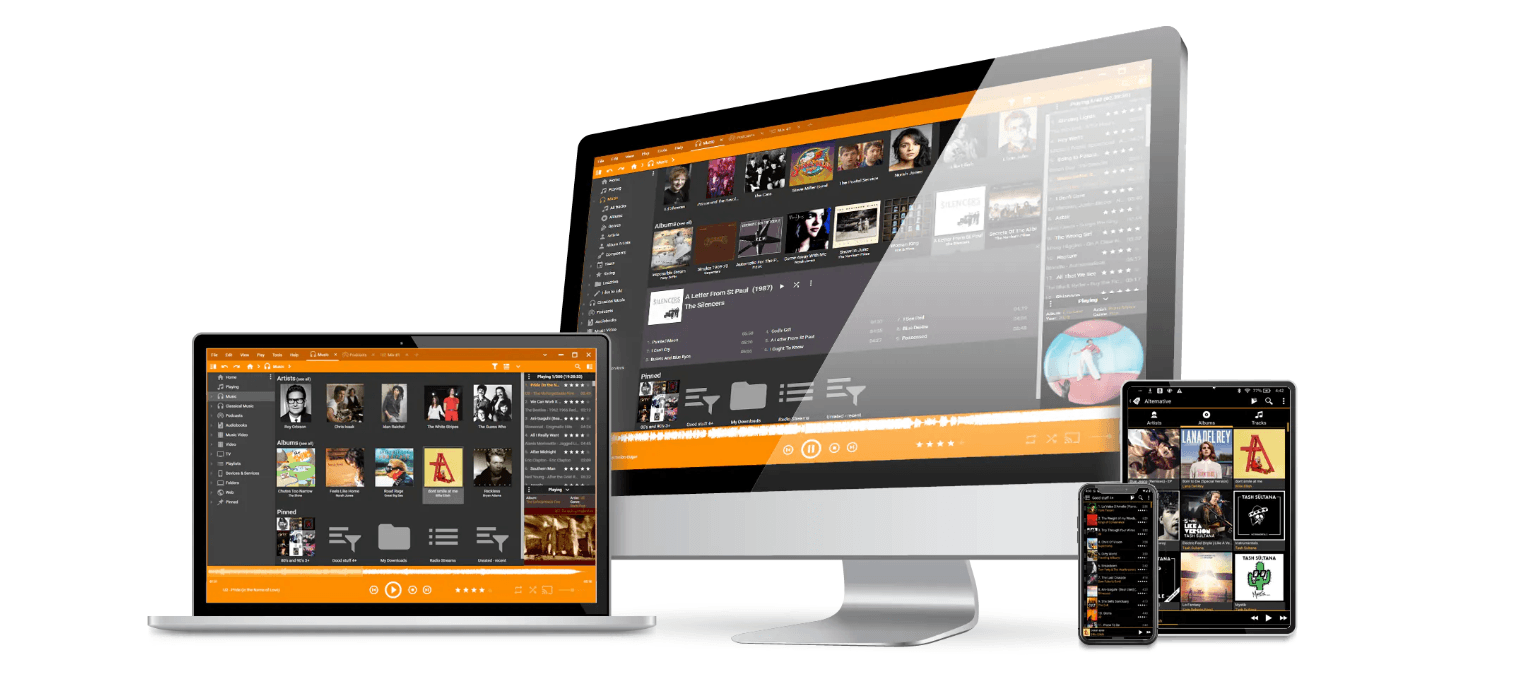
Many Windows Media Player alternatives focus on video. MediaMonkey is a better match when music organization matters more.
Its library tools cover tags, artwork, playlists, duplicate management, CD ripping, conversion, and device synchronization. MediaMonkey can also share media through Chromecast and DLNA/UPnP.
What it does well
Manages large audio and video libraries
Finds metadata and album artwork
Creates playlists and automatic playlists
Rips audio CDs
Converts supported formats
Syncs with compatible devices
Shares media through DLNA/UPnP
Where it falls short
MediaMonkey takes longer to learn than a basic player. Several advanced functions require a Gold license.
The Windows edition is the main desktop product. MediaMonkey is not designed for Blu-ray playback.
Price and compatibility
The Standard edition is free. MediaMonkey also sells Gold licenses with additional library and automation features.
MediaMonkey 2024 supports 32-bit and 64-bit editions of Windows 10 and Windows 11. Check the official download page for current pricing.
5. PowerDVD: best for Blu-ray and home theater
PowerDVD is the specialist option in this comparison. CyberLink sells it as a Windows player for Blu-ray, DVD, high-resolution video, and home-theater setups.
Available features depend on the edition. Anyone buying it for Blu-ray or HDR should compare the current plans and hardware requirements first.
What it does well
Supports commercial Blu-ray in eligible editions
Plays DVDs and common local media
Provides home-theater viewing modes
Includes video and audio enhancement tools
Manages video, music, and photo libraries
Where it falls short
PowerDVD costs more than the free alternatives. Some features require specific hardware, displays, drives, or editions.
The software is unnecessary for users who only open common local video files.
Price and compatibility
PowerDVD is a paid Windows product with a trial. Prices change during promotions.
Review current plans and requirements on CyberLink’s PowerDVD page.
6. GOM Player: best for subtitles and 360° video
GOM Player puts more emphasis on subtitles than most general media players. Its Windows guide covers subtitle search, timing controls, codec discovery, DVD playback, and 360° video.
A free version is available for Windows and macOS. The two versions do not have identical features.
What it does well
Searches for and adjusts subtitles
Plays 360° video on Windows
Provides codec discovery
Supports DVD playback on Windows
Includes segment repeat and frame capture
Continues to receive maintenance updates
Where it falls short
The free Windows version may display advertising. Some paid and AI-based features belong to GOM Player+ or require credits.
GOM is not a commercial Blu-ray player. Mac users should confirm whether the feature they need is available on macOS.
Price and compatibility
GOM Player has a free edition. GOM Player+ uses a paid license, but prices and promotions change.
Visit the GOM Player download page or read its official user guide.
7. MPC-HC: best lightweight Windows player
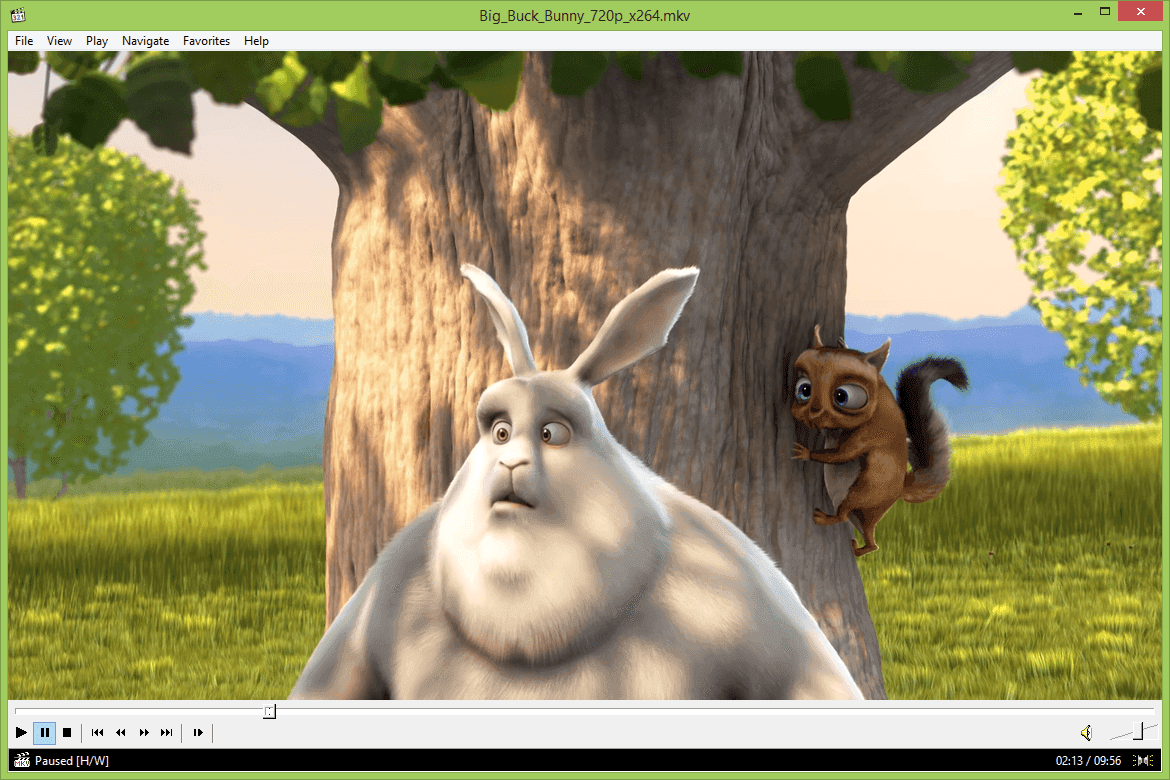
MPC-HC is a free, open-source player for Windows. Its interface is compact, but the maintained project supports several modern media formats.
The project documents support for HEVC, VVC, AV1, and AC-4. It also includes A-B repeat, customizable shortcuts, video previews, and light or dark themes.
What it does well
Starts quickly and uses a compact interface
Plays modern local video formats
Supports customizable keyboard and mouse controls
Provides rotation, zoom, and aspect-ratio tools
Can play HDR with a compatible renderer
Runs on Windows 7 through Windows 11
Where it falls short
Music-library features are minimal. Some advanced functions need extra renderers or utilities.
MPC-HC is not a straightforward commercial Blu-ray solution. Downloads and documentation are hosted on the project repository.
Price and compatibility
MPC-HC is free and open source. See the maintained MPC-HC project for downloads and documentation.
Which player should you choose?
VLC is the simplest free starting point for general playback. It covers common files, subtitles, discs, and network streams.
Nero DVD Player makes more sense if DVD-Video, NAS, or WebDAV matters. MediaMonkey is the stronger option for a large music collection.
PotPlayer suits users who enjoy fine-tuning playback. PowerDVD is aimed at Blu-ray and home-theater setups.
GOM Player is useful for subtitles and 360° video. MPC-HC works well when a light Windows interface is the priority.
Frequently asked questions
What is the best alternative to Windows Media Player?
VLC is the most practical free choice for general playback. Nero DVD Player is a better fit if you mainly watch DVDs or play media stored on NAS or WebDAV servers. MediaMonkey is stronger for large music libraries, while PowerDVD is designed for Blu-ray and home-theater use.
What is the best free Windows Media Player alternative?
VLC offers the broadest mix of formats, platforms, subtitles, discs, and streams. PotPlayer provides more controls, while MPC-HC uses a lighter Windows interface.
What is the best alternative for music?
MediaMonkey has the strongest music-library tools in this comparison. It manages tags, artwork, playlists, CDs, conversion, and device syncing.
Does Windows 11 still have Windows Media Player?
Windows 11 includes the newer Media Player app. Windows Media Player Legacy remains available as an optional feature in some editions.
Can Windows Media Player play DVDs on Windows 11?
Windows Media Player Legacy does not include DVD playback on Windows 11. You need a compatible third-party DVD player instead. For a detailed comparison of free and paid options, see our guide to the best DVD players for Windows 11.
Which Windows Media Player alternative supports Blu-ray?
PowerDVD supports commercial Blu-ray playback in eligible editions. Nero DVD Player focuses on DVD-Video and is not a commercial Blu-ray player. Blu-ray compatibility can also depend on the drive, hardware, disc protection, and software edition.
Which media player supports NAS or WebDAV on Windows 11?
Nero DVD Player supports compatible media stored on NAS and WebDAV servers. This is useful when your video library is stored on a home server instead of the Windows PC itself.